新石器时代 · 约公元前 7000–1900 年

Neolithic China · c. 7000–1900 BCE

文明曙光

Dawn of
Civilisation

五种文化,一条穿越史前中国的时间之河

Five cultures along the river of prehistoric China

从黄河流域的粟作村落,到太湖平原的稻作古城,考古遗存让我们看见早期中国多元而相连的文明图景。

From millet-farming villages along the Yellow River to rice-growing cities on the Taihu plain, archaeology reveals a diverse and connected early China.

↓开始探索begin exploring

在陶器、稻粟与玉器中读懂史前中国

Read prehistoric China through pottery, grain and jade.

年代为考古学界常用的概略范围;不同地区的文化并非整齐接替,而是在广阔土地上交织发展。

Dates are approximate. These cultures did not simply replace one another; they developed across a vast landscape, often at the same time.

Peiligangc. 7000–5000 BCE
裴李岗
Cishanc. 6500–5000 BCE
磁山
Yangshaoc. 5000–3000 BCE
仰韶
Liangzhuc. 3300–2300 BCE
良渚
Longshanc. 3000–1900 BCE
龙山
01

裴李岗文化 Peiligang Culture

Peiligang 裴李岗文化

约前 7000–5000 年c. 7000–5000 BCE河南Henan

黄河中游早期新石器文化的代表。聚落中出现房址、窖穴、墓地和陶器;石磨盘、磨棒等工具也提示了早期植物利用与定居生活。

A key early Neolithic culture in the middle Yellow River region. Houses, storage pits, cemeteries and pottery reveal settled village life and early plant use.

代表遗址:河南新郑裴李岗、舞阳贾湖Key sites: Peiligang, Xinzheng; Jiahu, Wuyang
02

磁山文化 Cishan Culture

Cishan 磁山文化

约前 6500–5000 年c. 6500–5000 BCE河北南部Southern Hebei

以太行山东麓的磁山遗址命名。大量贮藏坑及粟类遗存,使它成为认识华北早期旱作农业和村落生活的重要窗口。

Named after a site on the eastern foothills of the Taihang Mountains. Storage pits and millet remains make it important evidence for early dryland farming in North China.

代表遗址:河北武安磁山Key site: Cishan, Wu'an, Hebei
03

仰韶文化 Yangshao Culture

Yangshao 仰韶文化

约前 5000–3000 年c. 5000–3000 BCE黄河中游Middle Yellow River

彩陶是仰韶文化最鲜明的印象:鱼纹、鸟纹和几何纹样承载着丰富的视觉表达。半坡等聚落也展现出房屋、公共空间与墓地的布局。

Painted pottery is its signature, with fish, birds and geometric motifs. Settlements such as Banpo reveal planned spaces for houses, shared activity and burial.

代表遗址:陕西西安半坡、河南三门峡庙底沟Key sites: Banpo, Xi'an; Miaodigou, Sanmenxia
04

良渚文化 Liangzhu Culture

Liangzhu 良渚文化

约前 3300–2300 年c. 3300–2300 BCE长江下游Lower Yangtze

稻作、精美玉器、城址与大型水利系统,共同勾勒出一个早期区域性社会。良渚古城遗址于 2019 年列入世界遗产名录。

Rice cultivation, exquisite jades, a city and major waterworks together outline an early regional society. The Liangzhu City ruins became World Heritage in 2019.

代表遗址:浙江杭州良渚古城、瑶山Key sites: Liangzhu City and Yaoshan, Hangzhou
05

龙山文化 Longshan Culture

Longshan 龙山文化

约前 3000–1900 年c. 3000–1900 BCE黄河下游及中原Lower Yellow River & Central Plains

轮制黑陶薄如蛋壳,是龙山文化最著名的工艺成就之一。城址、聚落层级与墓葬差异,也为研究社会复杂化提供了重要线索。

Wheel-made black pottery, sometimes as thin as eggshell, is its best-known craft. Walled sites, settlement hierarchies and varied burials offer clues to increasing social complexity.

代表遗址:山东章丘城子崖、河南龙山Key sites: Chengziya, Zhangqiu; Longshan, Henan
让器物自己讲述故事

Let the objects speak.

陶器上的纹样、玉器的切磨痕迹和农具的材料,都是考古学家理解史前社会的线索。以下为博物馆或公开收藏中的器物照片。

Patterns on pottery, cut marks on jade and the materials of tools are clues to prehistoric life. The photographs below show museum or openly documented objects.

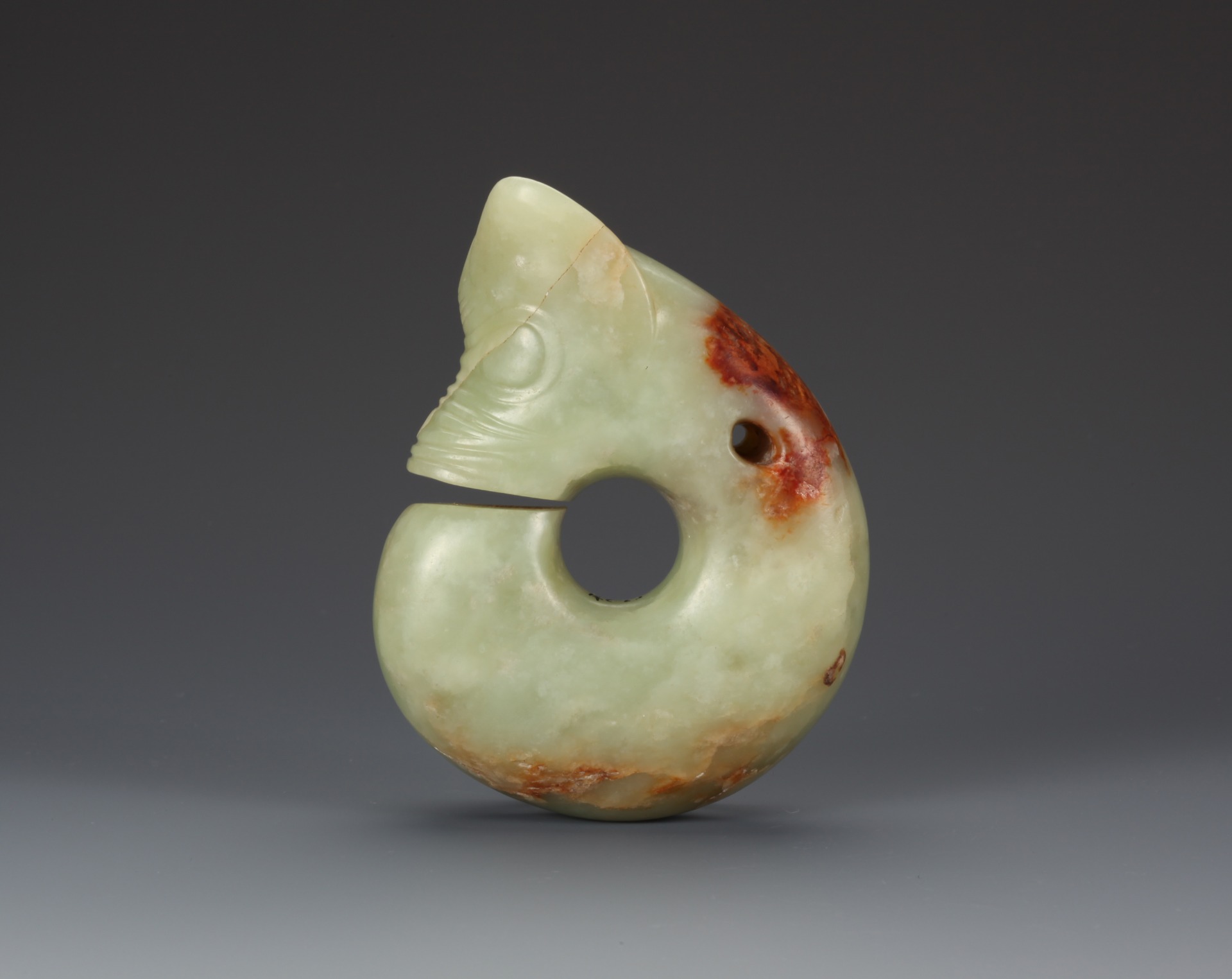
红山文化C形玉龙
红山文化 · C形玉龙 玉器折射出东北地区的礼仪传统。上海博物馆来源 ↗
Hongshan Culture · C-shaped jade dragon Jade points to ritual traditions in Northeast China. Shanghai Museum ↗
仰韶文化半坡彩陶
仰韶文化 · 半坡彩陶 图像与几何构成留下了鲜明的视觉语言。半坡博物馆来源 ↗
Yangshao · painted pottery Images and geometry form a vivid visual language. Banpo Museum ↗
良渚文化玉琮
良渚文化 · 玉琮 方外圆内的器形,是良渚玉礼器的代表。Wikimedia Commons ↗
Liangzhu · jade cong A signature form of Liangzhu ritual jade. Wikimedia Commons ↗
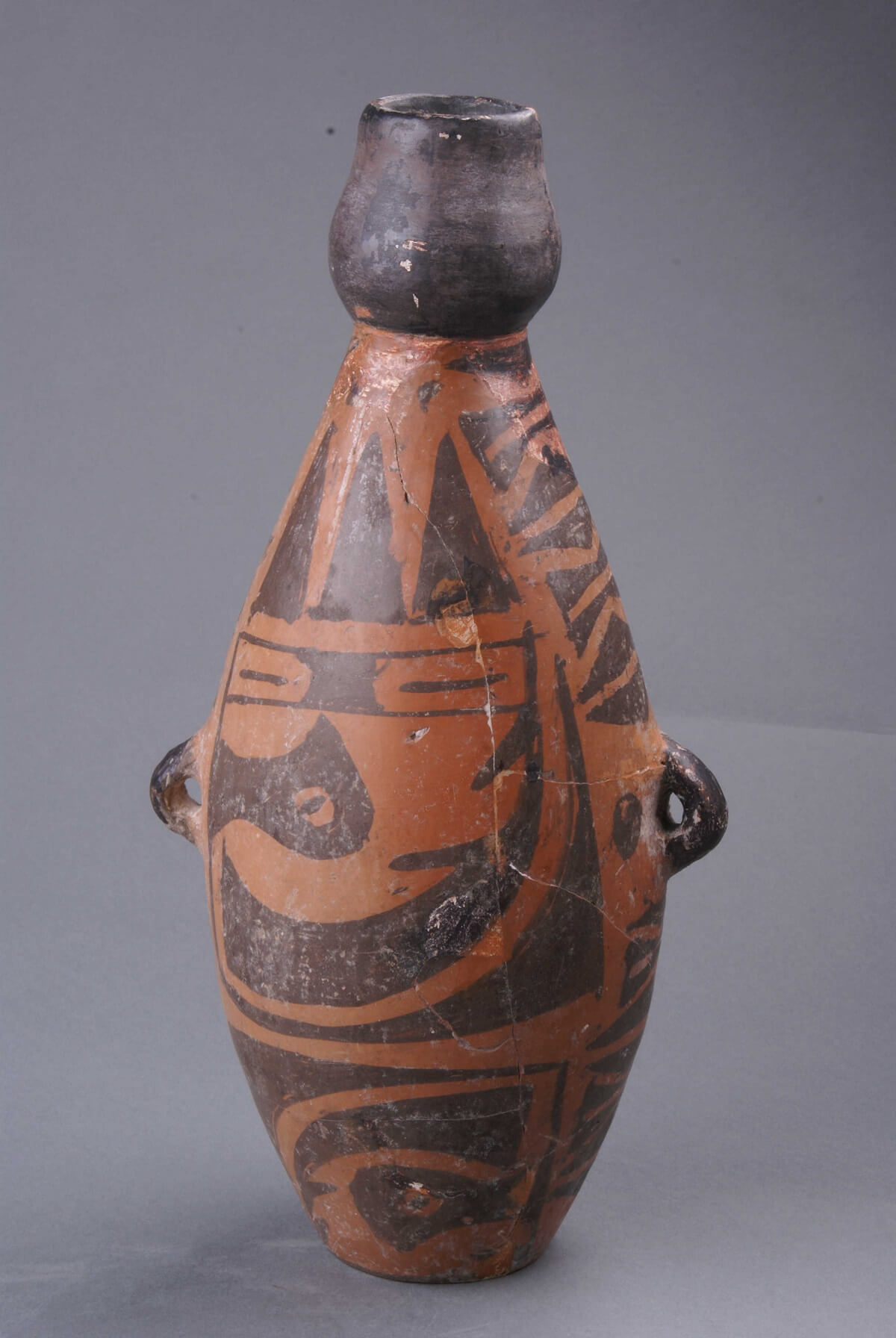
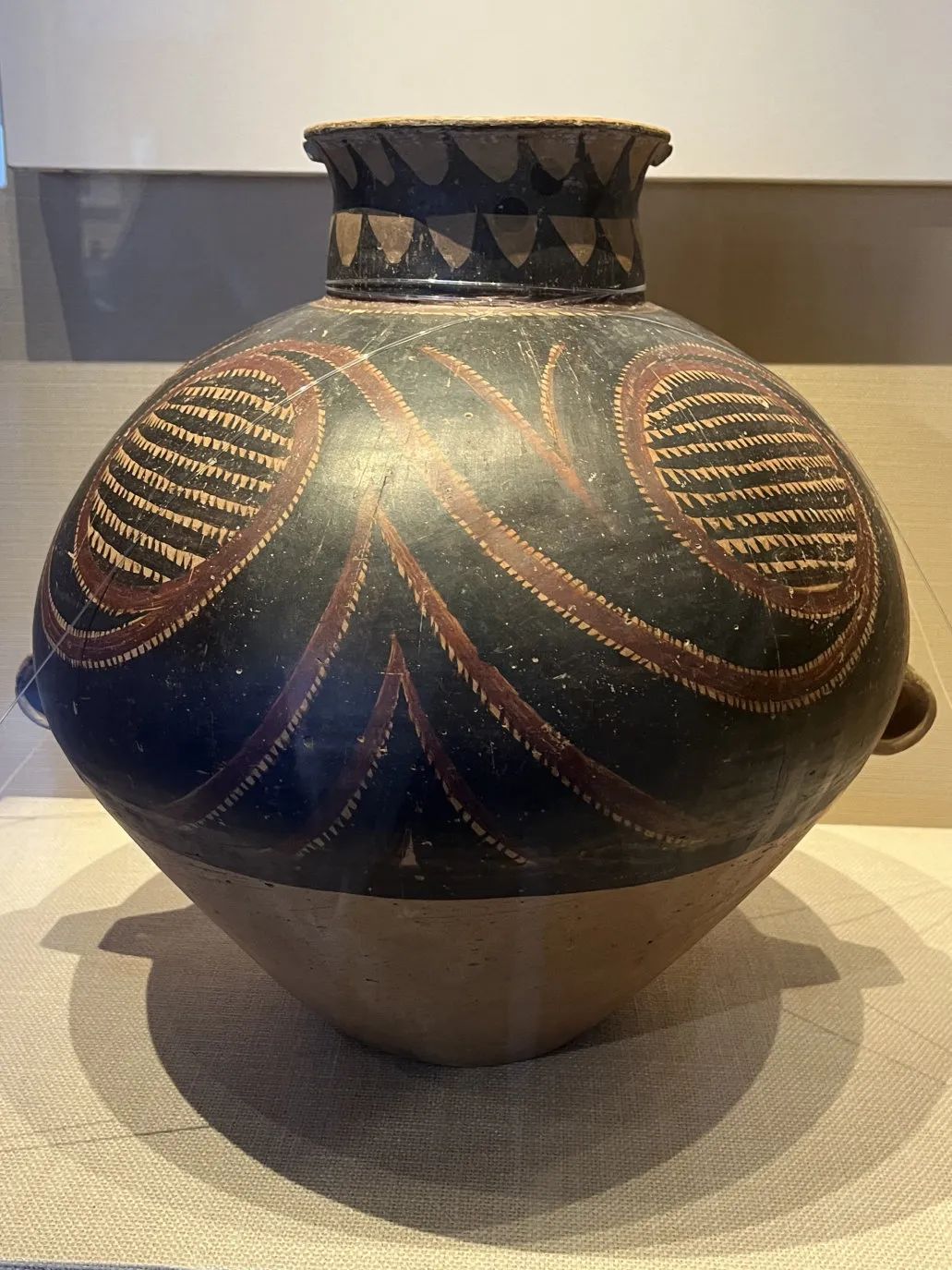
马家窑文化彩陶罐
马家窑文化 · 彩陶罐 旋涡与网格纹样展示西北彩陶的想象力。临洮县博物馆来源 ↗
Majiayao · painted jar Spirals and grids reveal the imagination of northwestern pottery. Lintao County Museum ↗

图片仅用于学习展示;器物著作权及使用条件以各来源页面为准。

Images are shown for study; rights and use terms remain with their cited sources.

不止五种文化:史前中国的多彩拼图

Beyond five cultures: a richer prehistoric China.

下列文化与前文的五种一起,帮助我们从不同区域理解农业、艺术、聚落与礼仪如何发展。它们不是单线进化的“台阶”,而是并行展开的历史网络。

Read these cultures alongside the five above to compare farming, art, settlement and ritual across regions. They are not steps on one ladder, but parts of a historical network developing in parallel.

河姆渡Hemuduc. 5000–3300 BCE · 浙江

长江下游的稻作传统、干栏式建筑与木骨器物,保存在湿润环境留下的遗存中。

Wetland preservation reveals rice farming, timber buildings on stilts and wood-bone tools.

稻作 · 干栏建筑rice · stilt houses
红山Hongshanc. 4500–3000 BCE · 辽西及内蒙古

以玉器、祭祀遗址和牛河梁为线索,呈现东北地区独特的精神与礼仪景观。

Jade, ceremonial sites and Niuheliang reveal a distinctive northeast ritual landscape.

玉器 · 祭祀jade · ritual
大汶口Dawenkouc. 4100–2600 BCE · 山东及周边

墓葬随葬品的差异,为观察社会分化和礼仪活动提供了重要材料。

Differences in grave goods offer important evidence for social differentiation and ritual.

墓葬 · 社会分化burials · society
马家窑Majiayaoc. 3300–2000 BCE · 甘青地区

绚丽的旋涡、网格和蛙纹彩陶,使黄河上游的艺术传统格外鲜明。

Bold spiral, grid and frog motifs give Upper Yellow River pottery a vivid identity.

彩陶 · 西北painted pottery
石家河Shijiahec. 2500–2000 BCE · 江汉平原

规模较大的聚落与城址,以及精致小玉器,见证长江中游社会的复杂发展。

Large settlements, walled sites and small fine jades show complexity in the middle Yangtze.

城址 · 玉器walled sites · jade

十种文化,十个观察入口

Ten cultures, ten ways in.

每一张档案卡都从“看什么、到哪里看、为什么重要”三个角度出发。点击图片下方的来源,可继续阅读馆藏或考古机构资料。

Each card suggests what to notice, where to look and why it matters. Use the source under each image to continue with museum or archaeology material.

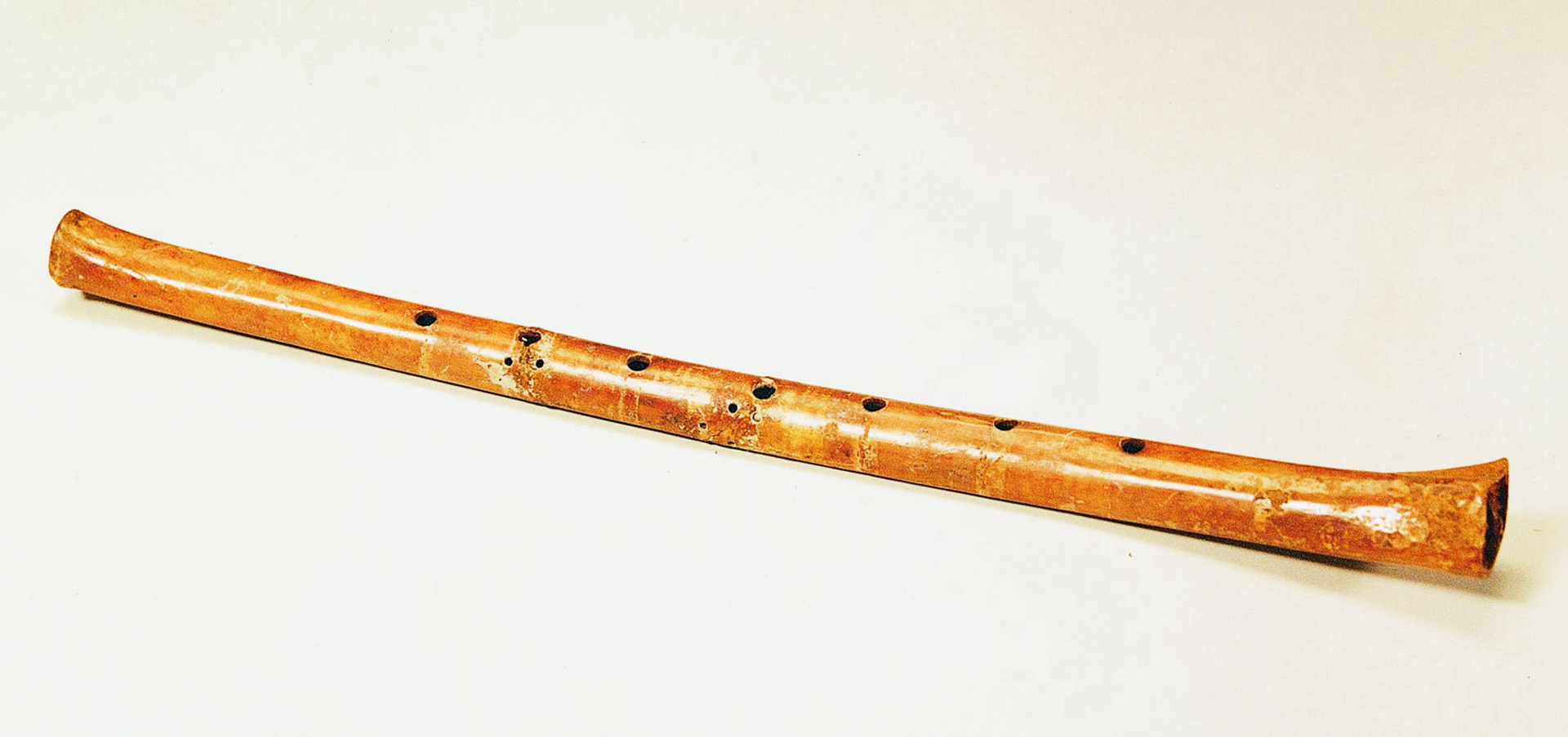
贾湖骨笛
贾湖骨笛 · 河南博物院 ↗
Jiahu bone flute · Henan Museum ↗

裴李岗 Peiligang Culture

Peiligang 裴李岗文化

c. 7000–5000 BCE · 河南中部

房址、窖穴、墓地和陶窑让早期村落生活变得可见。贾湖遗址发现的骨笛尤其珍贵:它提示人们的世界不只有生计,也有声音、仪式与表达。

Houses, storage pits, cemeteries and kilns make early village life visible. Jiahu’s bone flutes remind us that subsistence was joined by sound, ritual and expression.

观察:骨笛look for: flute关键词:定居村落settled villages
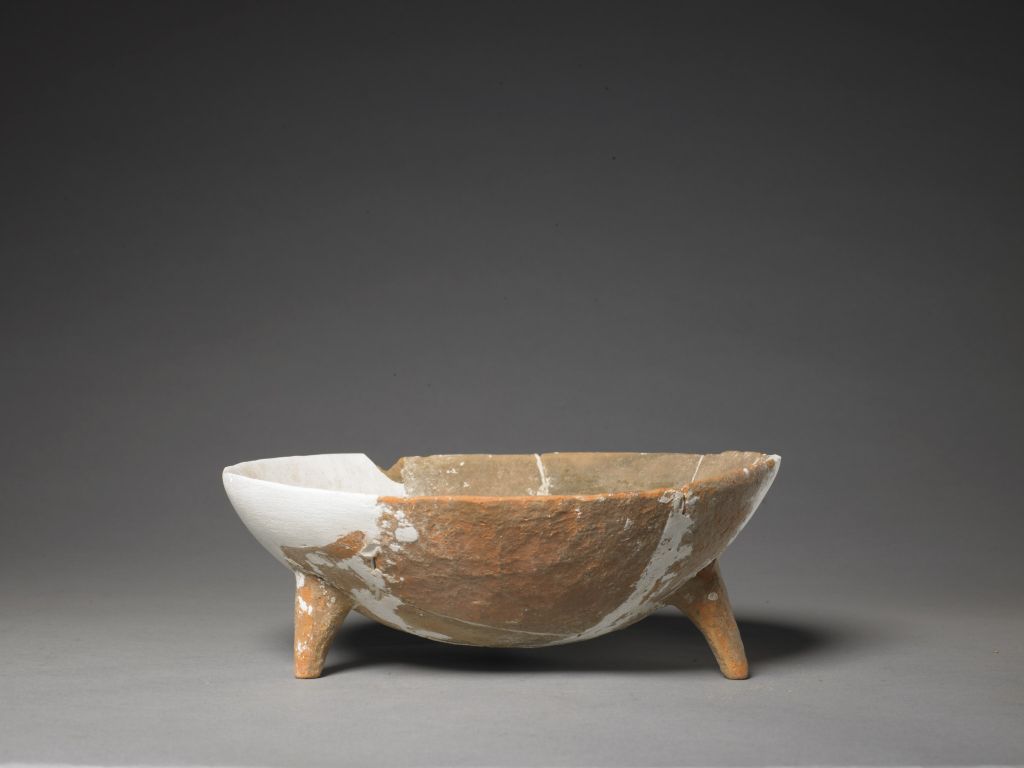
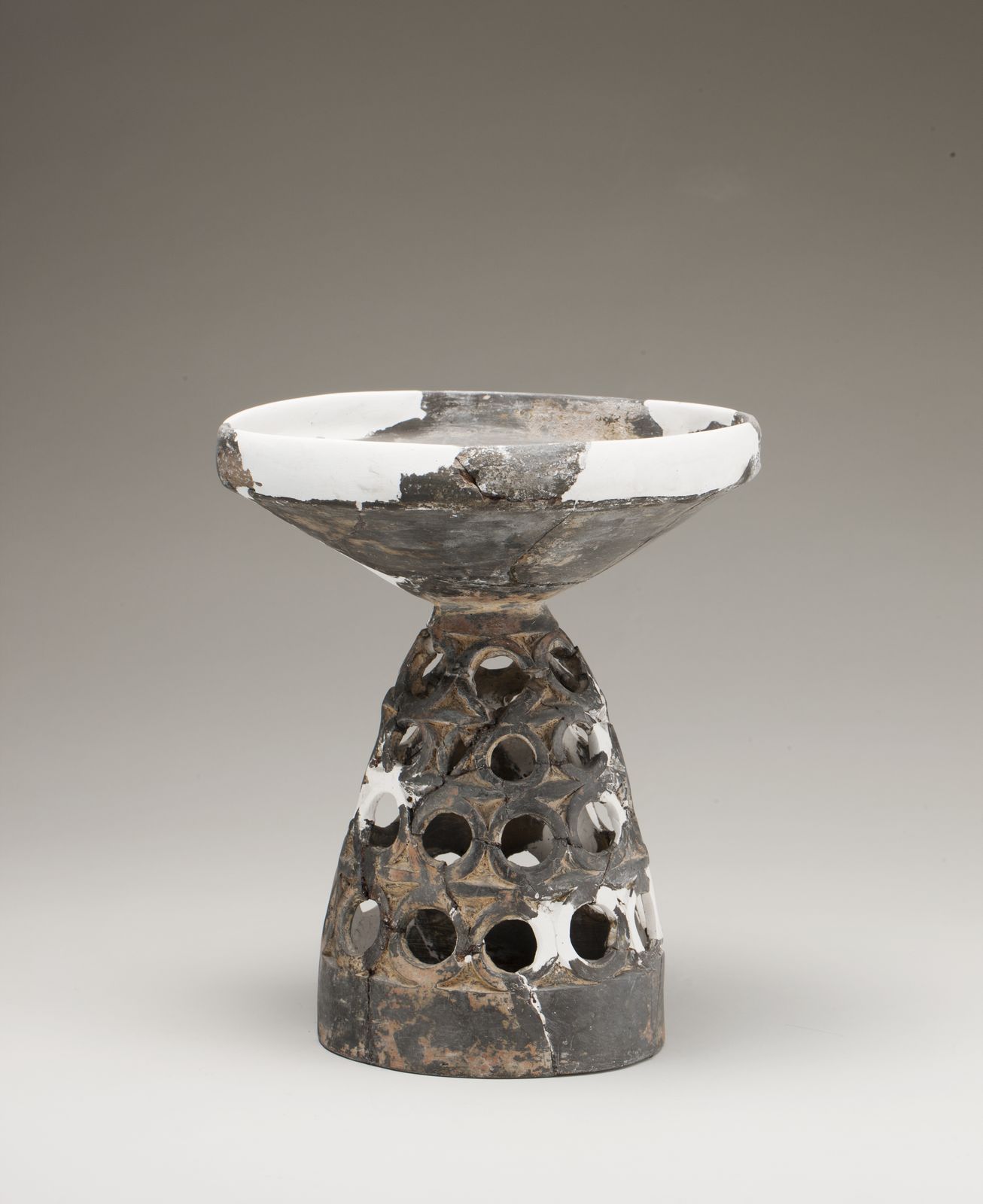
磁山文化红陶三足钵
磁山红陶三足钵 · 故宫博物院 ↗
Cishan tripod bowl · Palace Museum ↗

磁山 Cishan Culture

Cishan 磁山文化

c. 6500–5000 BCE · 河北南部

磁山遗址的大量贮藏坑、石磨盘与粟类遗存,指向稳定的粮食生产和储存。手制陶器的粗朴形态,也记录了早期制陶的技术选择。

Storage pits, grinding stones and millet remains point to reliable food production and storage. Hand-built pottery records early choices in ceramic technology.

观察:贮粮坑look for: storage关键词:粟作农业millet farming
半坡彩陶
半坡彩陶 · 西安半坡博物馆 ↗
Banpo painted pottery · Banpo Museum ↗

仰韶 Yangshao Culture

Yangshao 仰韶文化

c. 5000–3000 BCE · 黄河中游

仰韶彩陶把鱼、鸟和几何图案变成一套醒目的视觉语言。半坡等遗址的居址、活动区与墓地,也可帮助我们讨论聚落如何组织。

Yangshao painted pottery turns fish, birds and geometry into a striking visual language. Banpo’s houses, activity areas and cemetery invite questions about settlement organisation.

观察:彩陶纹样look for: motifs关键词:聚落布局settlement plan
良渚文化玉琮
良渚玉琮 · Wikimedia Commons ↗
Liangzhu jade cong · Wikimedia Commons ↗

良渚 Liangzhu Culture

Liangzhu 良渚文化

c. 3300–2300 BCE · 太湖流域

稻作是经济基础,玉琮、玉璧等礼器体现复杂的信仰表达;古城、水利系统与墓葬差异,则让早期城市与社会分层的轮廓更加清晰。

Rice farming formed the economic base. Cong and bi jades express belief, while the city, waterworks and burials clarify early urban life and social difference.

观察:玉琮look for: jade cong关键词:古城水利city & waterworks
龙山文化蛋壳黑陶高柄杯
龙山黑陶高柄杯 · Wikimedia Commons ↗
Longshan black cup · Wikimedia Commons ↗

龙山 Longshan Culture

Longshan 龙山文化

c. 3000–1900 BCE · 山东及中原

薄如蛋壳的黑陶高柄杯,凝聚了精细淘洗、轮制与烧成技术。许多龙山时期的城址、墓葬与聚落层级,是研究社会复杂化的重要材料。

Eggshell-thin black stemmed cups embody refined clay preparation, wheel work and firing. Walled sites, graves and settlement hierarchy help trace increasing complexity.

观察:蛋壳黑陶look for: black pottery关键词:城址walled sites
河姆渡文化骨耜
河姆渡骨耜 · 图片来源 ↗
Hemudu bone spades · image source ↗

河姆渡 Hemudu Culture

Hemudu 河姆渡文化

c. 5000–3300 BCE · 浙江宁绍平原

湿润环境保存下来的木构件、骨耜和植物遗存,使河姆渡成为理解长江下游稻作与干栏式建筑的关键材料。水乡生活在这里格外具体。

Waterlogged preservation of wood, bone spades and plant remains makes Hemudu central to understanding lower-Yangtze rice farming and stilted buildings.

观察:骨耜look for: bone spade关键词:稻作水乡wetland rice
红山文化C形玉龙
红山C形玉龙 · 上海博物馆 ↗
Hongshan C-shaped jade dragon · Shanghai Museum ↗

红山 Hongshan Culture

Hongshan 红山文化

c. 4500–3000 BCE · 辽西及内蒙古

红山的玉器常被视为理解早期礼仪的重要窗口;牛河梁等遗址的祭祀性遗存,则把人们的视线引向东北地区的仪式空间与共同信仰。

Hongshan jade is a key window onto early ritual. Ceremonial remains at Niuheliang draw attention to shared belief and ritual space in Northeast China.

观察:玉龙look for: jade dragon关键词:牛河梁Niuheliang
大汶口文化陶器
大汶口陶器 · 山东大学博物馆 ↗
Dawenkou pottery · Shandong University Museum ↗

大汶口 Dawenkou Culture

Dawenkou 大汶口文化

c. 4100–2600 BCE · 海岱地区

从陶器的形制与装饰,到墓葬中随葬品的多寡差异,大汶口材料让我们能够讨论技术、礼仪与社会身份如何逐渐被“看见”。

From ceramic form and decoration to uneven grave goods, Dawenkou evidence helps us discuss how technology, ritual and social identity became visible.

观察:随葬品look for: grave goods关键词:海岱Haidai region
马家窑文化彩陶罐
马家窑彩陶罐 · 临洮县博物馆 ↗
Majiayao painted jar · Lintao County Museum ↗

马家窑 Majiayao Culture

Majiayao 马家窑文化

c. 3300–2000 BCE · 甘青地区

在黄河上游,彩陶上的旋涡、网格和变形动物纹样铺陈出强烈的节奏感。它们既是工艺成就,也是观察区域交流与审美传统的一把钥匙。

In the Upper Yellow River region, spirals, grids and stylised animals create a powerful rhythm on pottery. They open a path to regional exchange and aesthetic tradition.

观察:旋涡纹look for: spirals关键词:彩陶艺术painted art
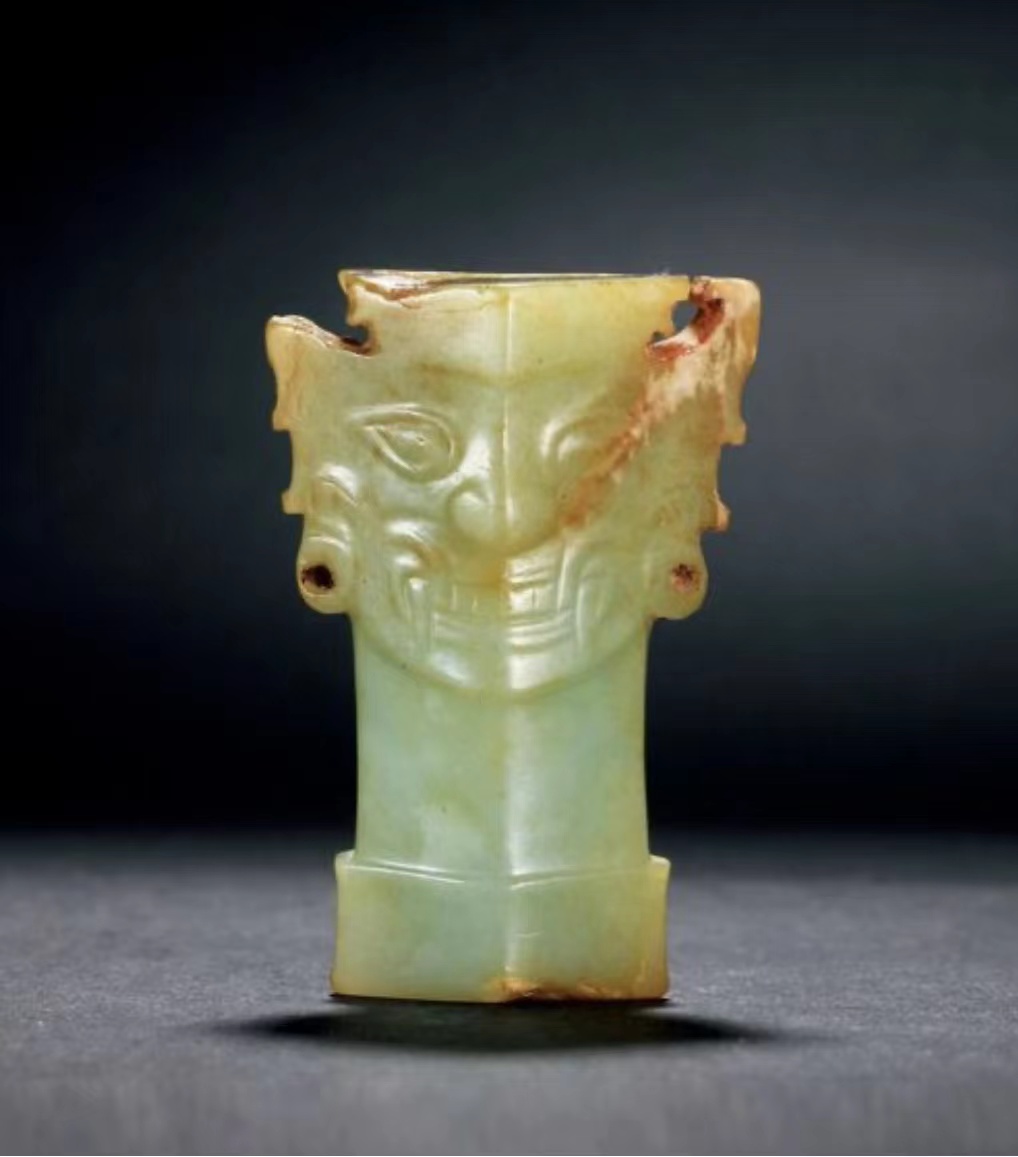
石家河文化玉人
石家河玉人 · 图片来源 ↗
Shijiahe jade figure · image source ↗

石家河 Shijiahe Culture

Shijiahe 石家河文化

c. 2500–2000 BCE · 江汉平原

规模较大的聚落与城址显示江汉平原上的人口和组织能力;精巧的小玉器则为讨论工艺分工、身份表达和区域联系提供另一种证据。

Large settlements and walled sites show population and organisation on the Jianghan plain. Fine small jades offer another line of evidence for craft, identity and contact.

观察:小玉器look for: small jades关键词:江汉平原Jianghan plain

多元起源,相互辉映

Many origins,
one unfolding story.

这些文化分布在不同流域和地貌中,形成各具特色的生产方式、工艺与礼仪传统。它们之间的交流、发展与变迁,构成了中华文明起源的广阔背景。

Across distinct river basins and landscapes, these communities formed their own farming, craft and ritual traditions. Their interactions, development and change form a broad backdrop to the origins of Chinese civilisation.

从一件器物,走近一段历史

Follow the evidence.

良渚古城遗址Liangzhu City ruins
UNESCO World Heritage Centre ↗
中国社会科学院考古研究所Institute of Archaeology, CASS
Chinese Archaeology ↗
小提示A note for readers
考古年代会随着测年与研究更新;本页采用便于学习的概略时间框架。Archaeological dates evolve with research; this page uses a classroom-friendly approximate chronology.